Eye Preloader
Behavioural Optometry

Behavioural Optometry

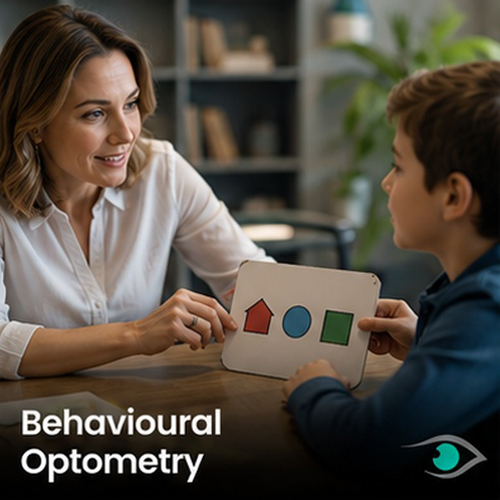
Behavioural optometry looks at how vision is used during everyday activities such as reading, learning, sport, work and play.

It considers more than whether each eye can see clearly. It may also assess how the eyes focus, move, track and work together, as well as how comfortably a person manages visually demanding tasks.

Some people experience headaches, tired eyes, difficulty concentrating, losing their place while reading or discomfort during close work even when standard eyesight appears normal.

Behavioural optometry aims to identify whether visual skills may be contributing to these difficulties and whether practical support could make everyday tasks feel more comfortable.

read more
Binocular Vision / Eye Teaming

Binocular Vision / Eye Teaming

Binocular vision is the ability of both eyes to work together as a coordinated team.

When the eyes are properly aligned and focusing together, the brain can combine the information from each eye into one clear, comfortable image. This supports depth perception, reading, hand-eye coordination and smooth movement between near and distant tasks.

When eye teaming is not working efficiently, a person may experience headaches, eye strain, blurred or double vision, tired eyes, difficulty concentrating or trouble keeping their place while reading.

These difficulties can occur even when each eye sees clearly on its own, which is why a standard eyesight check may not always reveal the full picture.

read more
Cerium Colorimetry

Cerium Colorimetry

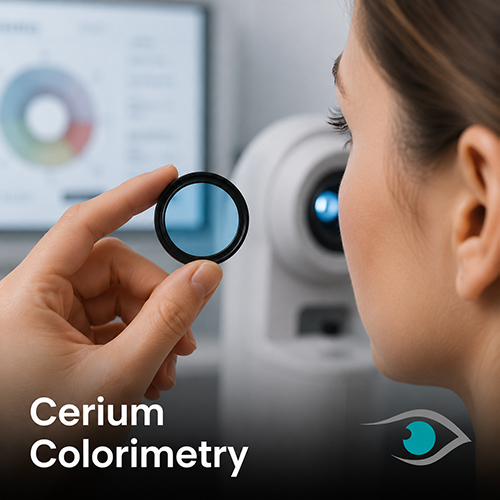
Cerium® Intuitive Colorimetry is an advanced, precision-based assessment designed to find the exact tint of colour that may help ease visual discomfort and reading difficulties.

Using a specialised instrument, we guide you through thousands of subtle colour combinations, carefully adjusting the hue, saturation, and brightness. This allows us to pinpoint the specific, tailored tint that works best for your individual eyes.

The process is completely painless, interactive, and gives us the exact measurements needed to craft custom, precision-tinted spectacle lenses just for you.

read more
Children’s Eye Tests

Children’s Eye Tests

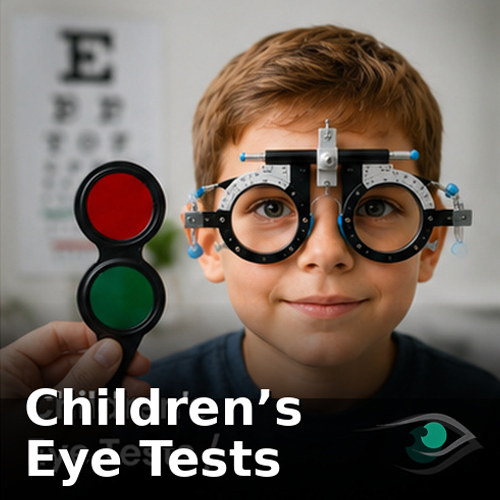
Children’s eye tests assess much more than whether a child can read letters on a chart. They look at how clearly the eyes see, how well they work together, how they focus and how effectively they track and process visual information.

Good vision plays an important role in learning, reading, sport, coordination and confidence. Because children may not realise that their vision is different from everyone else’s, eye problems can sometimes go unnoticed.

Regular eye tests can help identify concerns early and provide a clearer picture of how your child’s vision is developing.

read more
Children’s Visual Processing

Children’s Visual Processing

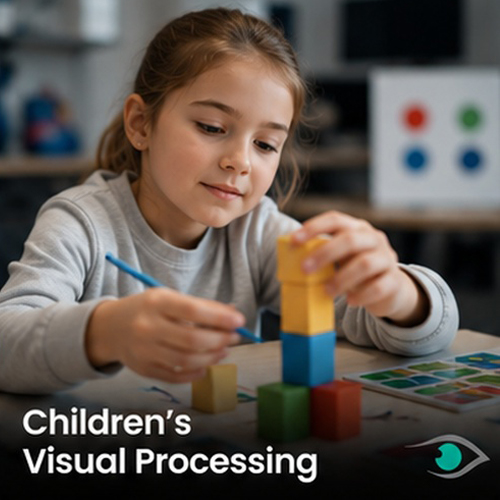
Visual processing is how the brain understands, organises and responds to the information received through the eyes.

It supports skills such as recognising shapes and patterns, remembering what has been seen, finding information on a busy page, judging space and direction, and coordinating vision with hand movements.

A child may have clear eyesight but still find some visually demanding activities difficult. Signs can include losing their place while reading, copying slowly from the board, confusing similar shapes, struggling with puzzles or becoming tired during written work.

Visual processing is only one part of learning, so a careful assessment helps build a clearer picture rather than jumping to conclusions. Reading and classroom tasks also rely on visual skills such as focusing, tracking and eye teaming.

read more
Comprehensive Eye Tests

Comprehensive Eye Tests

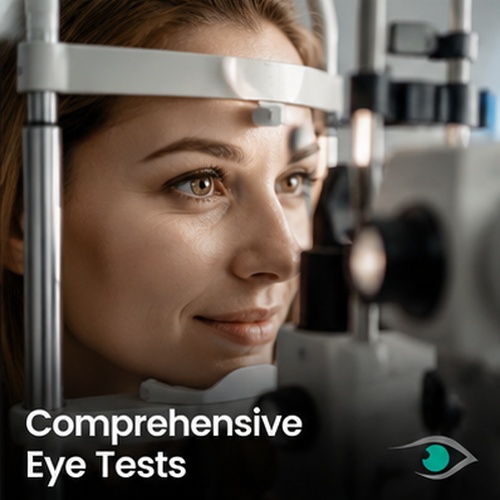
A comprehensive eye test looks at both how clearly you see and how healthy your eyes are.

It goes beyond reading letters from a chart. The examination may assess your prescription, focusing ability, eye coordination, peripheral vision, eye pressure and the health of the structures at the front and back of your eyes.

Regular eye tests can help identify changes linked to ageing, diabetes, glaucoma, macular disease and other eye conditions, sometimes before you notice any obvious symptoms.

Even when your vision feels fine, a detailed eye examination can provide valuable reassurance and help establish a clear record for future comparison.

read more
Contact Lens Fitting

Contact Lens Fitting

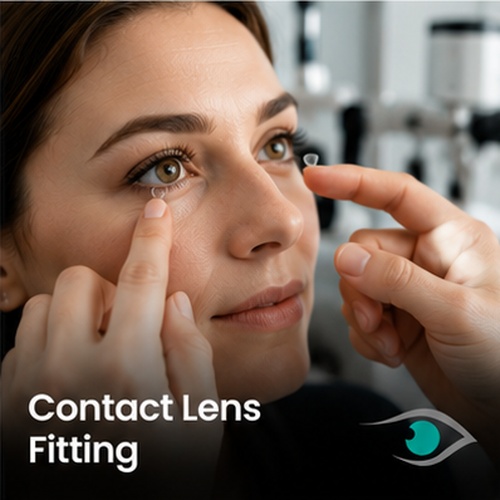
A contact lens fitting is a detailed assessment to find lenses that suit your vision, eye shape, comfort and lifestyle.

Contact lenses are not simply chosen from a prescription alone. The size, shape, material and design of the lens all influence how well it sits on your eye and how comfortable it feels throughout the day.

A proper fitting also considers your tear film, eye health, wearing habits and whether you need lenses for distance, reading, sport, occasional use or everyday wear.

With the right advice and careful fitting, contact lenses can provide clear, natural vision and a welcome break from glasses.

read more
Contact Lens Intolerance / Dry Eye

Contact Lens Intolerance / Dry Eye

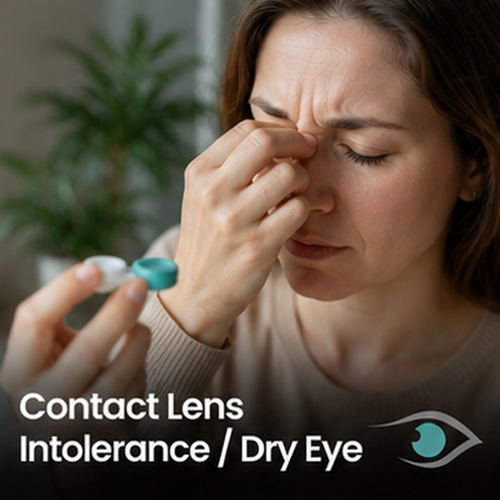
Contact lens intolerance occurs when lenses that once felt comfortable begin to cause dryness, irritation, redness, blurred vision or a gritty sensation.

Dry eye is a common contributor. It can occur when your eyes do not produce enough tears, when tears evaporate too quickly or when the tear film is not stable enough to keep the eye comfortably lubricated.

Symptoms may become worse during long periods of screen use, air-conditioning, windy weather, seasonal allergies or extended contact lens wear.

Contact lens discomfort does not always mean you need to give up lenses altogether. In many cases, identifying the cause and adjusting the lens type, fit or wearing routine can make a significant difference.

read more
Diabetic Eye Checks

Diabetic Eye Checks

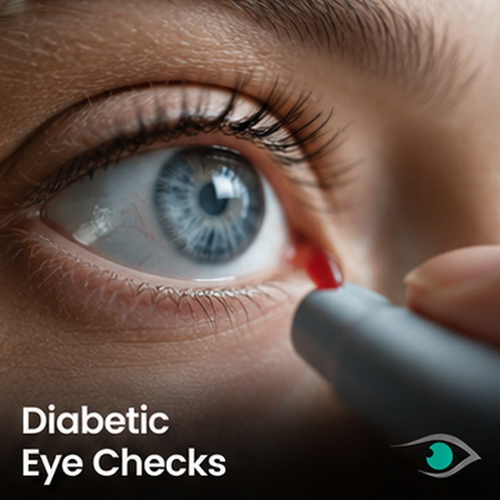
A diabetic eye check is a detailed examination that looks for changes diabetes may cause within the eyes.

Over time, high blood glucose levels can damage the small blood vessels in the retina at the back of the eye. This is known as diabetic retinopathy. Diabetes can also increase the risk of other eye conditions, including diabetic macular oedema, cataracts and glaucoma.

Early diabetic eye disease may develop without noticeable symptoms, and your vision can appear normal while changes are occurring.

Regular eye checks are therefore an important part of managing diabetes and protecting your sight.

read more
Dry Eye Treatment

Dry Eye Treatment

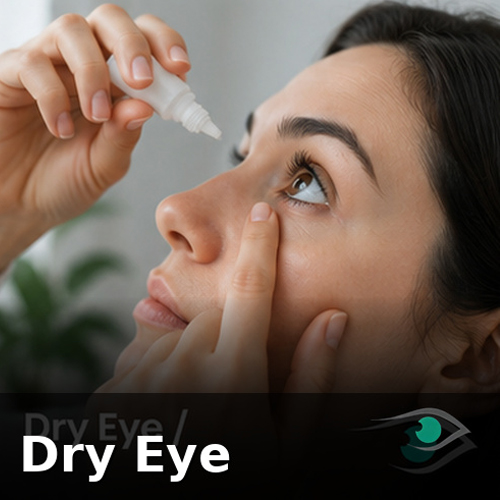
Dry eye occurs when your eyes do not produce enough tears, or when the tears evaporate too quickly to keep the surface of the eye properly lubricated.

Symptoms may include burning, grittiness, redness, watering, blurred vision, tired eyes or the feeling that something is caught in your eye. Dry eye can be influenced by screen use, contact lenses, medications, age, allergies, eyelid conditions and exposure to wind, heating or air-conditioning.

Although it may sound like a minor annoyance, ongoing dry eye can affect reading, driving, computer work and everyday comfort.

The good news is that dry eye can often be managed more effectively once we understand what is causing it.

read more
Emergency / Red Eye guidance

Emergency / Red Eye guidance

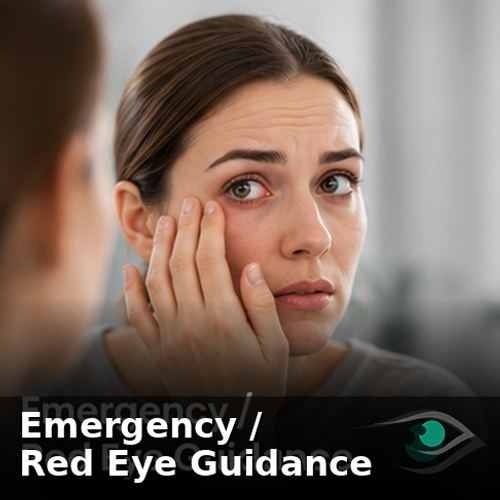
Dry eye occurs when your eyes do not produce enough tears, or when the tears evaporate too quickly to keep the surface of the eye properly lubricated. Symptoms may include burning, grittiness, redness, watering, blurred vision, tired eyes or the feeling that something is caught in your eye. Dry eye can be influenced by screen use, contact lenses, medications, age, allergies, eyelid conditions and exposure to wind, heating or air-conditioning. Although it may sound like a minor annoyance, ongoing dry eye can affect reading, driving, computer work and everyday comfort. The good news is that dry eye can often be managed more effectively once we understand what is causing it.

read more
Frames & Lenses

Frames & Lenses

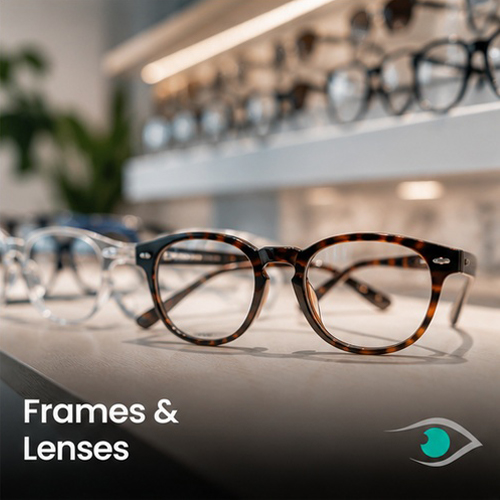
Frames and lenses work together to create eyewear that should do much more than simply help you see.

The right frame can complement your face, suit your personality and feel comfortable from morning to night. The right lenses can improve clarity, reduce glare, support different visual tasks and make everyday life easier.

From lightweight everyday glasses to bold statement frames, there are options to suit different styles, budgets and prescriptions. Lens choices may include single-vision, multifocal, office, thinner high-index, photochromic and specialised coatings.

Great eyewear should feel natural, perform beautifully and make you happy to put it on.

read more
Glaucoma, Macular and Diabetic Screening

Glaucoma, Macular and Diabetic Screening

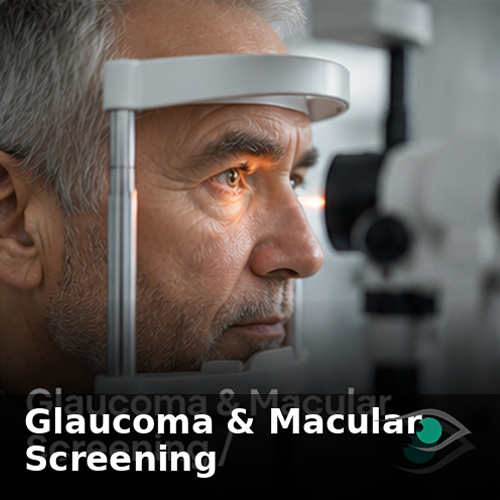
Glaucoma and macular screening looks for early signs of eye conditions that may affect your vision before you notice obvious symptoms.

Glaucoma damages the optic nerve and often progresses gradually, with peripheral vision loss sometimes occurring before a person realises anything is wrong. Macular disease affects the central part of the retina, which is responsible for detailed vision used for reading, recognising faces and driving.

These conditions are different, but they share one important feature: early detection can make a significant difference.

Regular eye examinations allow us to monitor changes over time and identify concerns that may otherwise quietly remain hidden.

read more
Hard-to-Fit Contact Lenses

Hard-to-Fit Contact Lenses

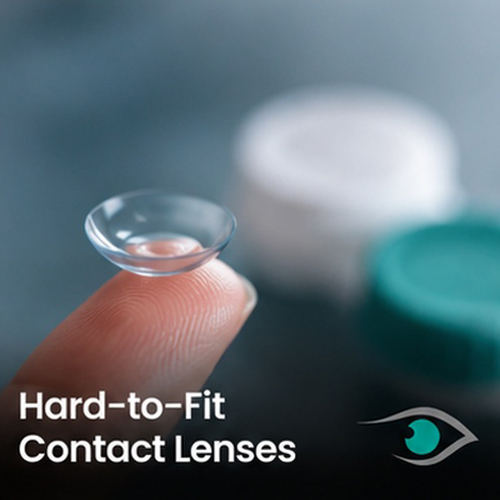
Some eyes need more than a standard, off-the-shelf contact lens.

You may be considered harder to fit if you have a high prescription, significant astigmatism, keratoconus, dry eye, an irregular corneal shape, previous eye surgery or a history of lenses that move, blur or become uncomfortable.

In these cases, ordinary soft lenses may not provide the clarity, stability or comfort you need.

Specialised contact lens designs can often create a better fit and more reliable vision. The key is careful assessment, accurate measurements and a lens selected for your eyes rather than simply your prescription.

read more
High Prescriptions / Astigmatism

High Prescriptions / Astigmatism

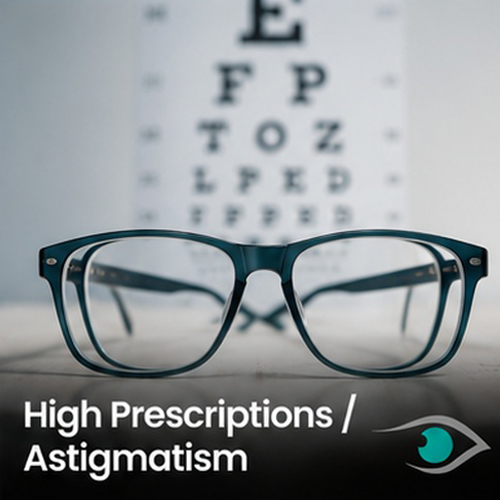
High prescriptions and astigmatism can make finding comfortable, attractive eyewear feel more complicated, but the right lens design and frame choice can make a remarkable difference.

A high prescription means stronger lenses are needed to provide clear vision. Astigmatism occurs when the front surface of the eye or the lens inside the eye has a more irregular shape, which can cause blurred or distorted vision at different distances.

Without the right combination of lenses, measurements and frame selection, glasses may feel heavy, appear thicker than expected or provide less comfortable vision.

With careful planning, modern lens technology can often create eyewear that is clearer, lighter and more flattering than many people expect.

read more
Myopia Control

Myopia Control

Myopia, commonly known as short-sightedness, causes distant objects to appear blurry while close-up vision is usually clearer. It often begins during childhood and may continue to progress as the eyes grow.

Myopia control is a personalised approach designed to slow this progression. While ordinary glasses can provide clear vision, myopia-control treatments also aim to reduce how quickly the prescription changes. Slowing myopia may help protect your child’s long-term eye health and reduce the likelihood of developing high myopia later in life.

read more
Neuro-Optometry

Neuro-Optometry

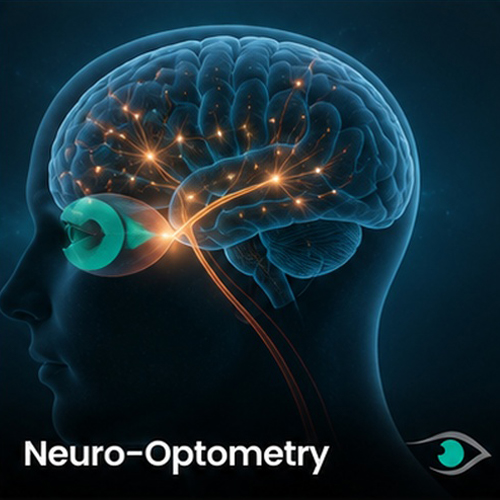
Neuro-optometry focuses on how the eyes and brain work together.

It may be helpful for people experiencing visual difficulties after concussion, stroke, brain injury or certain neurological conditions. These difficulties can occur even when the eyes themselves appear healthy and a standard eyesight test shows little change.

Symptoms may include blurred or double vision, headaches, light sensitivity, difficulty focusing, poor balance, visual fatigue or feeling overwhelmed in busy environments.

Because vision is closely connected with movement, attention and spatial awareness, changes to visual processing can affect reading, screen use, mobility, work and everyday confidence.

read more
Non-prescription Sunglasses

Non-prescription Sunglasses

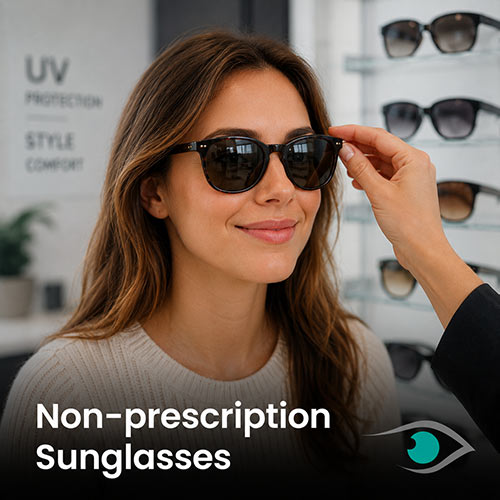
Non-prescription sunglasses are designed for people who do not need vision correction but still want comfortable, stylish protection from bright sunlight and ultraviolet radiation.

A quality pair of sunglasses does more than complete your outfit. The right lenses can reduce glare, improve visual comfort and help protect your eyes and the delicate skin around them from UV exposure. Sunglasses that meet Australian Standards are especially important in our bright Western Australian conditions.

With a wide choice of frame shapes, lens colours and styles available, your sunglasses can be practical, flattering and distinctly you.

read more
Occupational / Safety / Sports Eyewear

Occupational / Safety / Sports Eyewear

Different activities place different demands on your eyes.

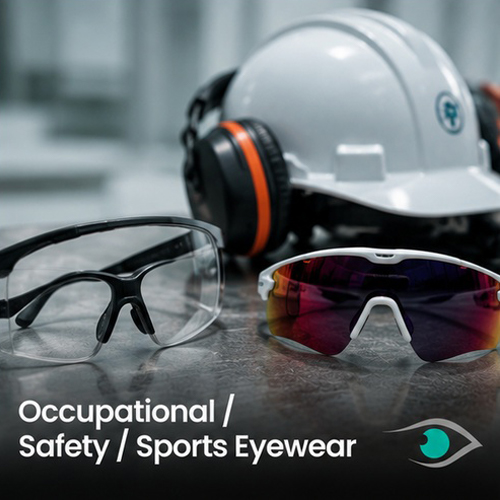
Occupational, safety and sports eyewear is designed to provide clearer vision, greater comfort and appropriate protection for the task at hand. This may include protective eyewear for work, specialised lenses for computer use, impact-resistant options for sport or glasses designed to stay secure during movement.

Standard everyday glasses may not provide the protection, durability or fit required in some environments. Purpose-built eyewear can help reduce glare, eye strain, dust exposure, impact risks and visual distractions.

The right pair should not only protect your eyes. It should also feel comfortable enough to wear properly and consistently.

read more
Prescription Sunglasses

Prescription Sunglasses

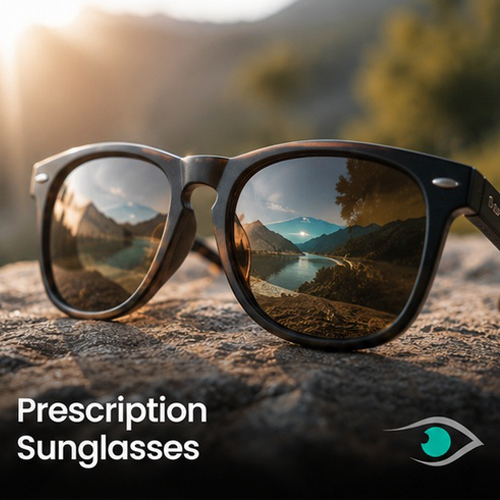
Prescription sunglasses combine clear, comfortable vision with protection from bright sunlight and UV exposure.

They are made using your individual prescription, so you can see clearly outdoors without needing to wear contact lenses or place clip-on shades over your everyday glasses. They are ideal for driving, walking, travelling, sport, gardening and enjoying the Western Australian sunshine.

Depending on your needs, prescription sunglasses can include single-vision, multifocal or specialised lenses, along with options such as polarisation, different tint colours and glare-reducing coatings.

The result is eyewear that looks good, protects your eyes and allows you to enjoy the outdoors without compromising your vision.

read more
Repairs & Adjustments

Repairs & Adjustments

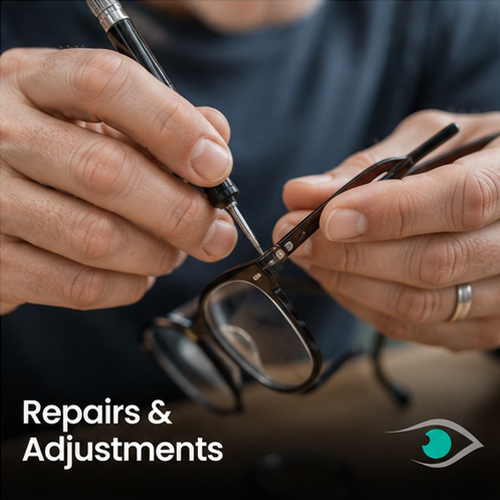
Glasses work hard. They are worn every day, carried in bags, placed on desks and occasionally sat on, dropped or mysteriously bent out of shape.

Repairs and adjustments help restore the comfort, fit and function of your eyewear. This may include tightening loose screws, replacing nose pads, straightening frames, adjusting temple arms or improving how your glasses sit on your face.

A small adjustment can make a surprisingly big difference. Better-fitting glasses can feel more comfortable, stay in place more securely and help your lenses sit in the correct position.

read more
Retinal Imaging/OCT

Retinal Imaging/OCT

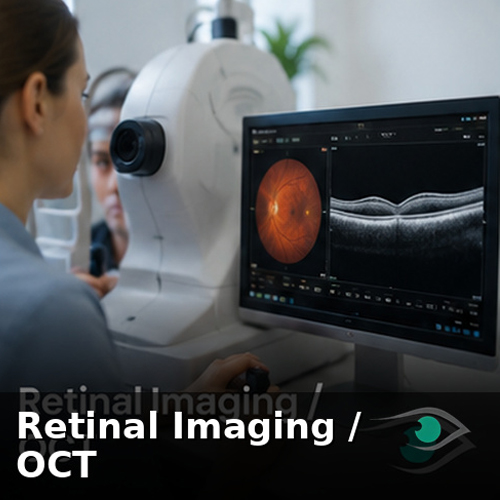
Retinal imaging and Optical Coherence Tomography, commonly called OCT, allow us to examine the structures at the back of your eyes in remarkable detail.

Retinal photography captures an image of the retina, optic nerve and blood vessels. An OCT scan uses light waves to create detailed cross-sectional images of the retina’s individual layers, rather like viewing a highly detailed slice through the back of the eye.

These images can help identify and monitor changes associated with conditions such as glaucoma, macular degeneration and diabetic eye disease.

Many eye-health changes can develop before you notice symptoms, making retinal imaging a valuable addition to a comprehensive eye examination.

read more
Vision After Concussion

Vision After Concussion

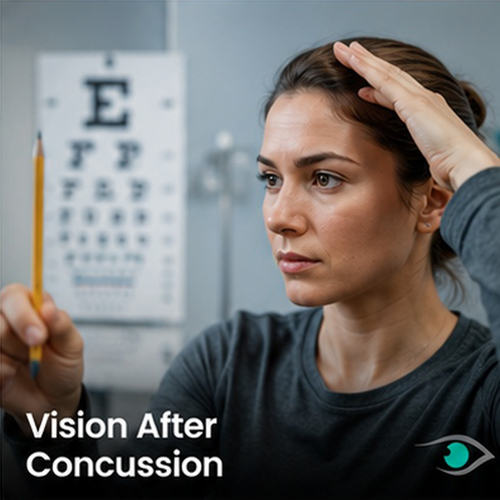
A concussion can disrupt the way the eyes and brain work together, even when the eyes themselves appear healthy.

Some people experience blurred or double vision, headaches, light sensitivity, difficulty focusing, eye strain or trouble tracking words across a page. Busy environments, screens, reading, driving or moving quickly between different visual tasks may also feel unusually tiring or overwhelming.

These symptoms can affect school, work, sport and everyday confidence.

Vision problems may be noticeable straight away or become clearer as normal activities resume. A detailed assessment can help identify which visual skills have been affected and what support may be appropriate.

read more
Vision After Stroke / Brain Injury

Vision After Stroke / Brain Injury

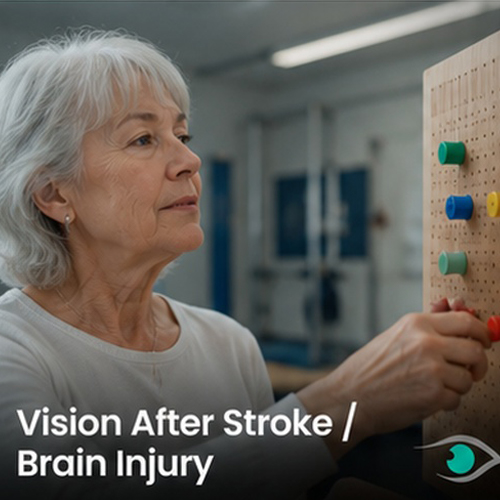
A stroke, concussion or other brain injury can affect how the eyes and brain work together, even when the eyes themselves appear healthy.

People may experience blurred or double vision, difficulty focusing, sensitivity to light, headaches, eye strain, reduced depth perception or trouble tracking words and moving objects. Some people also lose awareness of part of their visual field or find busy environments unusually overwhelming.

These changes can affect reading, balance, mobility, driving, screen use and everyday confidence.

Vision difficulties may appear immediately or become more noticeable as you return to normal activities. A detailed assessment can help identify what has changed and what support may be appropriate.

read more