

How we can help
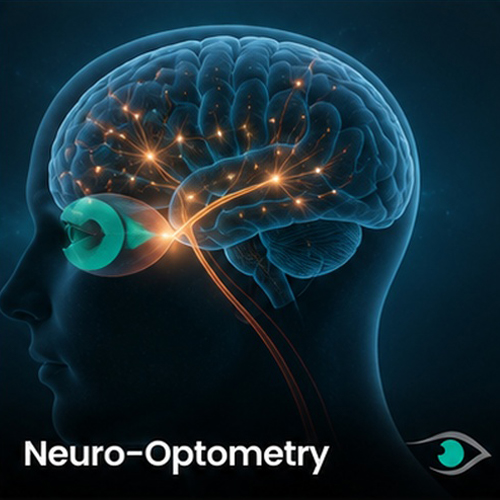
Our team can assess the visual skills involved in comfortable, coordinated vision.
This may include eye movements, focusing, tracking, eye teaming, depth perception, visual fields and the way your vision responds during everyday tasks. We also take time to understand which activities trigger symptoms and how those symptoms affect your routine.
Depending on the findings, support may include an updated prescription, specialised lenses, prisms, filters, visual strategies or referral to other rehabilitation professionals.
Our aim is to explain what is happening clearly, reduce unnecessary visual strain and work alongside your broader healthcare team where appropriate. No fog machine, no mystery, just careful assessment and practical support.
Tips for your visit
Bring your current glasses, medication list and any reports from your neurologist, GP, physiotherapist, occupational therapist or rehabilitation team.
Make a note of the symptoms you experience, when they occur and which activities make them worse. This may include reading, driving, screen use, walking through shops or moving between bright and dim environments.
You are welcome to bring a family member, friend or carer to help provide background information and remember recommendations.
Neurological symptoms can be tiring, so let us know if you need a slower pace, extra breaks or information explained more than once. The appointment should work with you, not against you.