

How we can help
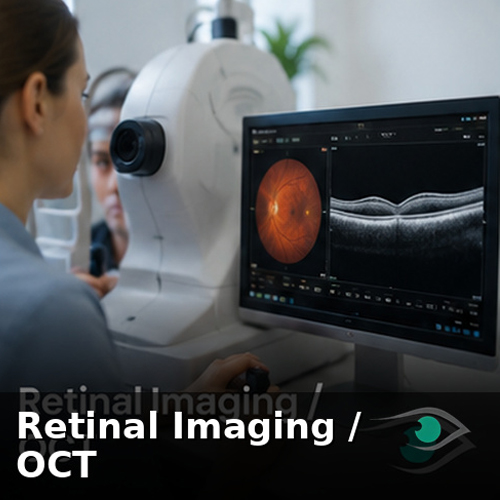
Our team can use retinal photography and OCT imaging to build a clearer picture of your eye health.
The scans allow us to examine areas that cannot be assessed through an ordinary vision chart alone. We can review the retina, macula and optic nerve, explain the findings clearly and save images for comparison at future appointments.
Comparing scans over time can help us identify subtle changes and determine whether further monitoring or referral to an ophthalmologist is recommended.
The process is quick, non-invasive and does not involve needles or touching the eye. It is impressive technology, but its real value lies in helping us with early detection of visual health problems.
Tips for your visit
Bring your current glasses, medication list and any previous retinal photographs, OCT scans or specialist reports.
Tell us about any family history of glaucoma, macular degeneration, retinal disease or significant vision loss. Also mention health conditions such as diabetes or high blood pressure, as these can influence the health of the retina.
In some cases, dilating eye drops may be recommended to provide a clearer view of the back of the eye. These can temporarily cause light sensitivity or blurred near vision, so bring sunglasses and consider arranging transport if advised.
Do not wait for your eyesight to noticeably deteriorate before having your eye health checked. Retinal imaging can reveal useful information even when your vision still appears perfectly normal.